




Abibitumi ID Ecosystem
Sign in

Tag: Black design

  • Designing a Conference for What Participants Carry Home

    Designing a Conference for What Participants Carry Home

    Event design is often judged by what happens in the room: the stage, the schedule, the signs, the sound. A more useful measure begins after people leave. What can participants remember, repeat, teach, adapt, fund, or build because the gathering made the path clear?

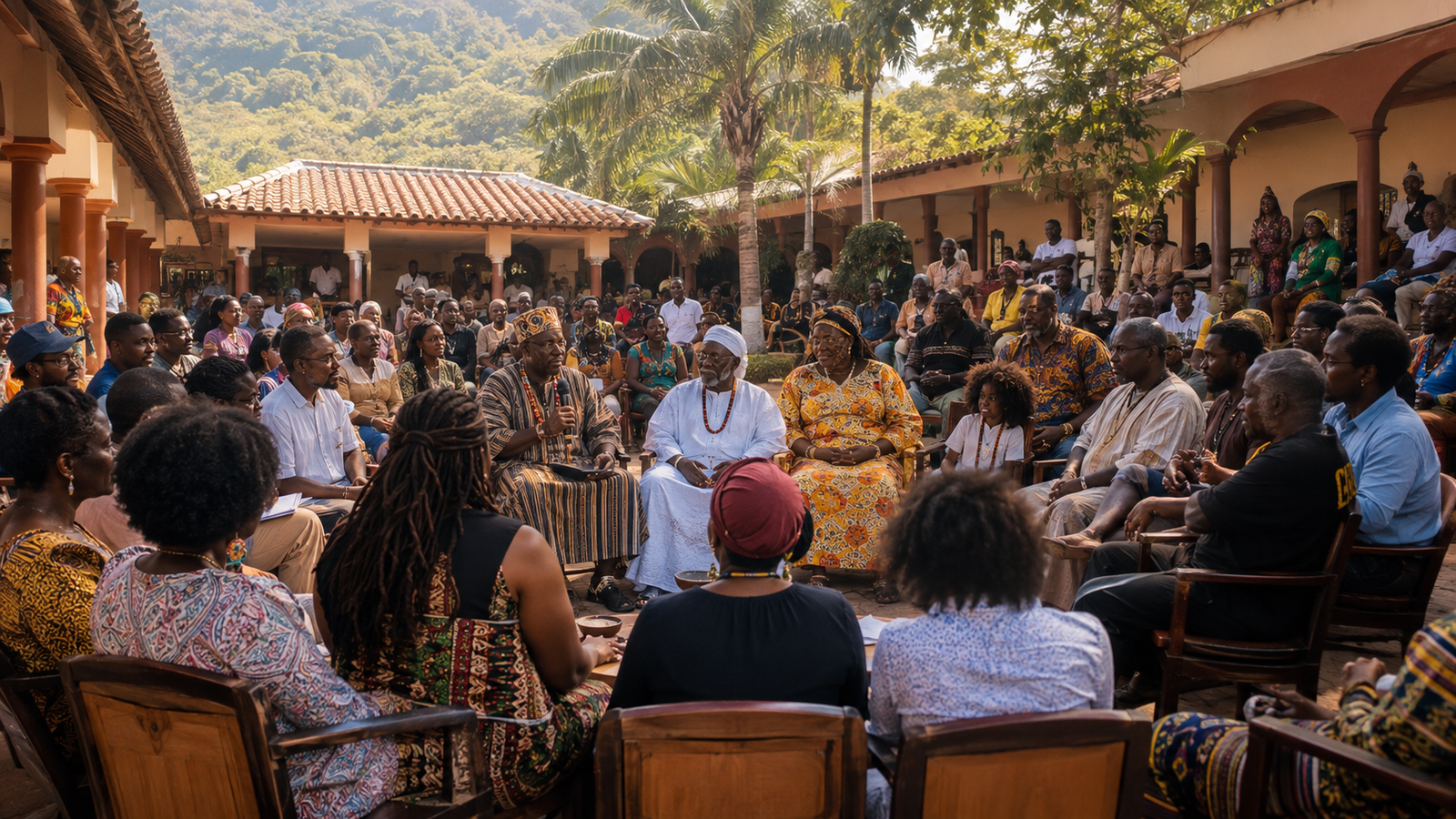
    The Abibitumi Conference + Abibifahodie Festival 2026 convenes on December 12–13 at Abibitumi Headquarters in Akuapem Mampong under the theme Construction of Black Civilization.

    The proposal phase is complete, so audience preparation now matters. Participants can arrive with a clear problem they are working on, document useful models, exchange contact information with purpose, and commit to one concrete follow-through. That is how conference experience becomes institutional memory rather than a temporary burst of inspiration.

    Use the official conference page to prepare for December 12–13. Design your own participation around what you intend to carry home and put into practice.
  • When the Call for Films Closes, Audience Design Begins

    When the Call for Films Closes, Audience Design Begins

    A submission portal organizes filmmakers. A festival must also organize attention. Now that entries for AAFF 2026 are closed, the design challenge shifts toward helping audiences understand when to arrive, how to participate, what they are watching, and where discussion continues.

    The festival’s official dates are October 16–18, with online screenings and an in-person Gala and Awards gathering in Accra. The theme, Kemet for the Kemetyu: At Home and Abroad, needs a visual and editorial system capable of connecting those settings without losing clarity.

    The official AAFF reel-and-patterned-filmstrip mark carries that system in red, black, and green. Preserving it consistently across program pages, articles, social graphics, and the streaming environment helps audiences recognize that each touchpoint belongs to the same Black-controlled institution.

    Follow the official AAFF site as the audience experience takes shape. The best hybrid design makes every route into the festival clear while keeping one cultural purpose at the center.

  • Designing a Festival Without Borders: AAFF’s Hybrid Experience

    Designing a Festival Without Borders: AAFF’s Hybrid Experience

    A hybrid festival is not well designed simply because a camera is pointed at a stage. Physical and online audiences need legible information, coherent visual identity, reliable pathways into the program, and a sense that they are participating in the same cultural event. The Abibitumi Abibifahodie Film Festival 2026, running October 16–18, makes that challenge part of its institutional work.

    AAFF connects an Accra-based gathering with online participation across Abibiman and the diaspora. That creates a layered design problem. The festival identity must remain recognizable on a cinema screen, a phone, a social card, and a program page. Film information must be readable across different devices. Discussions need structures that allow remote audiences to follow and contribute without turning the physical gathering into background scenery.

    The official AAFF identity addresses that challenge with a reel and patterned filmstrip rendered in red, black, and green. The mark is not decoration pasted onto unrelated material. It should function as a consistent signal across programming, editorial coverage, access information, and the digital festival environment.

    Good event design also protects accuracy. Dates, links, venue wording, and access details should flow from current authoritative sources rather than old exports. A polished graphic carrying stale facts is still a failed design.

    AAFF’s program includes feature, short, student, documentary, animation, and AI-infused work. Follow the official festival site to see how the visual system and hybrid experience develop toward October 16–18.