



Abibitumi ID Ecosystem
Sign in

Author: Abibiwiase Admin

  • The AAFF Visual-Language Challenge: Read One Frame Without Dialogue

    The AAFF Visual-Language Challenge: Read One Frame Without Dialogue

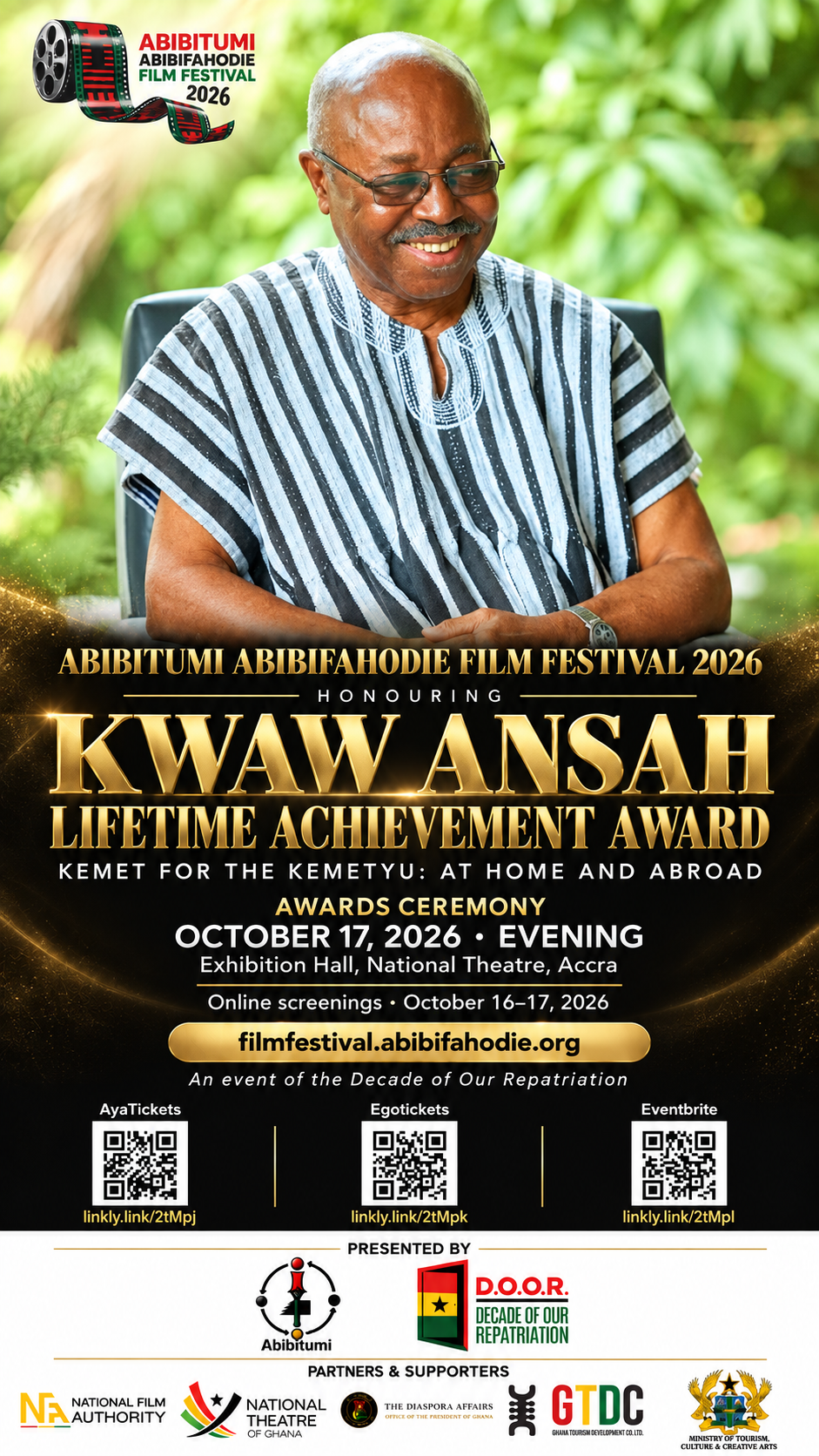
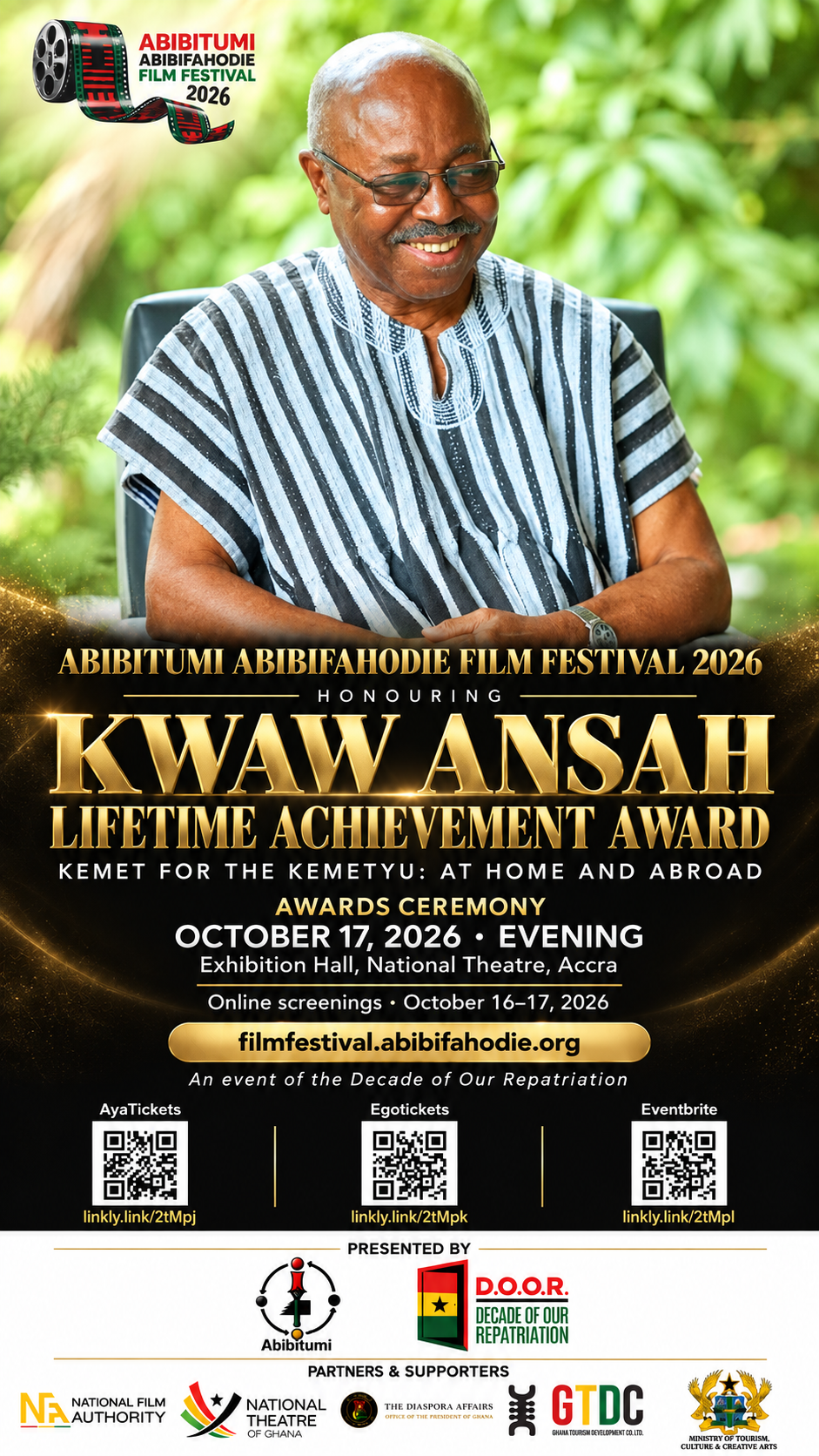
    Official AAFF 2026 Kwaw Ansah Lifetime Achievement Award event flyer

    AAFF 2026 Event Details

    Online screenings: October 16–17, 2026.

    Awards ceremony: October 17, 2026, in the evening at the Exhibition Hall, National Theatre, Accra.

    The festival honours Kwaw Ansah with the AAFF 2026 Lifetime Achievement Award.

    This is a D.O.O.R. ecosystem event: a practical gathering for Black-controlled cultural production, circulation, and institution-building.

    Film communicates before anyone speaks. A face placed at the edge, a colour repeated across scenes, or an empty space held too long can carry an argument without dialogue.

    The Abibitumi Abibifahodie Film Festival 2026 features online screenings October 16–17, followed by the awards ceremony on October 17 in the evening at the Exhibition Hall, National Theatre, Accra. Prepare with a visual-language challenge: pause one Black-controlled film, mute the sound, and study a single frame for two minutes.

    Write what the composition tells you about power, relationship, place, and memory. Bring that trained attention into AAFF and notice how filmmakers make Black worlds visible through design.

    Follow current AAFF announcements.

    Get AAFF 2026 Tickets

    Choose the ticket platform that works best for you:

    Official AAFF 2026 information

    Watch the official Abibitumi Abibifahodie Film Festival 2026 commercial
  • Design the Follow-Through Before the Conference Post

    Design the Follow-Through Before the Conference Post

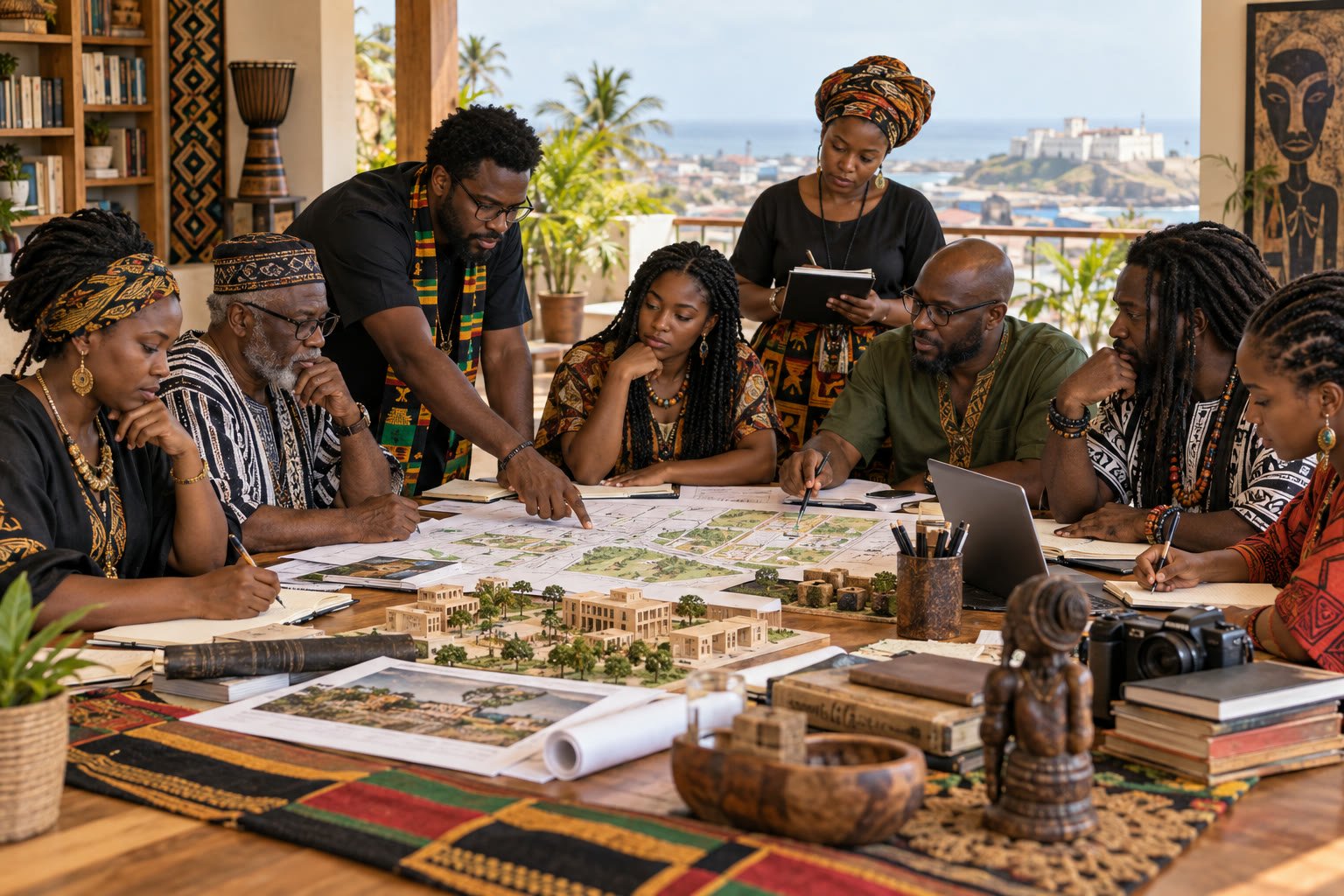
    A striking conference graphic can attract attention while leaving the audience unsure what to do. Communication becomes infrastructure when it prepares action.

    D.O.O.R. presents the Abibitumi Conference and Abibifahodie Festival 2026 on December 12–13 at Abibitumi Headquarters in Akuapem Mampɔn, Ghana. Its theme is Construction of Black Civilization.

    Build every message around three answers: Who is this for? What should they prepare? What happens afterward? Good design does not decorate institution-building; it helps people enter the work.

    Official conference information: https://www.abibitumi.com/abibitumi2026

  • The AAFF Visual-Language Challenge: Read One Frame Without Dialogue

    The AAFF Visual-Language Challenge: Read One Frame Without Dialogue

    Film communicates before anyone speaks. A face placed at the edge, a colour repeated across scenes, or an empty space held too long can carry an argument without dialogue.

    The Abibitumi Abibifahodie Film Festival 2026 begins October 16 in Accra. Prepare with a visual-language challenge: pause one Black-controlled film, mute the sound, and study a single frame for two minutes.

    Write what the composition tells you about power, relationship, place, and memory. Bring that trained attention into AAFF and notice how filmmakers make Black worlds visible through design.

    Follow current AAFF announcements.

  • Train the Eye Before AAFF: Five Questions for Reading Black Film

    Train the Eye Before AAFF: Five Questions for Reading Black Film

    Design teaches us that every visual choice directs attention. Film multiplies those choices through framing, movement, colour, sound, typography, costume, landscape, and rhythm.

    The Abibitumi Abibifahodie Film Festival 2026 begins October 16 in Accra. Prepare your eye with five questions: Who is centred? What remains outside the frame? Which language carries authority? How does sound guide emotion? What visual system makes the story recognizable as its own?

    Take those questions into each screening. The answers reveal how filmmakers construct meaning—and how Black-controlled design can resist imported visual defaults while making our own worlds legible.

    Follow the official AAFF site for current announcements.

  • Designing an Opening Night That Carries Black Film Memory

    Designing an Opening Night That Carries Black Film Memory

    An opening night teaches an audience how to read everything that follows. At AAFF 2026, the sequence is deliberate: honour the elder, screen the work, and place cultural memory inside a living Black-controlled gathering.

    Nii Kwate Owoo will receive the Legacy Award before a screening of You Hide Me. The festival runs October 16–18 at Ozone Cinema, Oyarifa Mall, Accra, with online access connecting the wider Black world.

    The design challenge extends beyond graphics. Stage, projection, sound, interpretation, wayfinding, documentation, and post-screening conversation must all reinforce the same message: this legacy is not decorative. It equips the next generation to recover and control its own narrative.

    Follow the official AAFF 2026 site.

  • Design the Invitation Around Participation, Not Spectatorship

    Design the Invitation Around Participation, Not Spectatorship

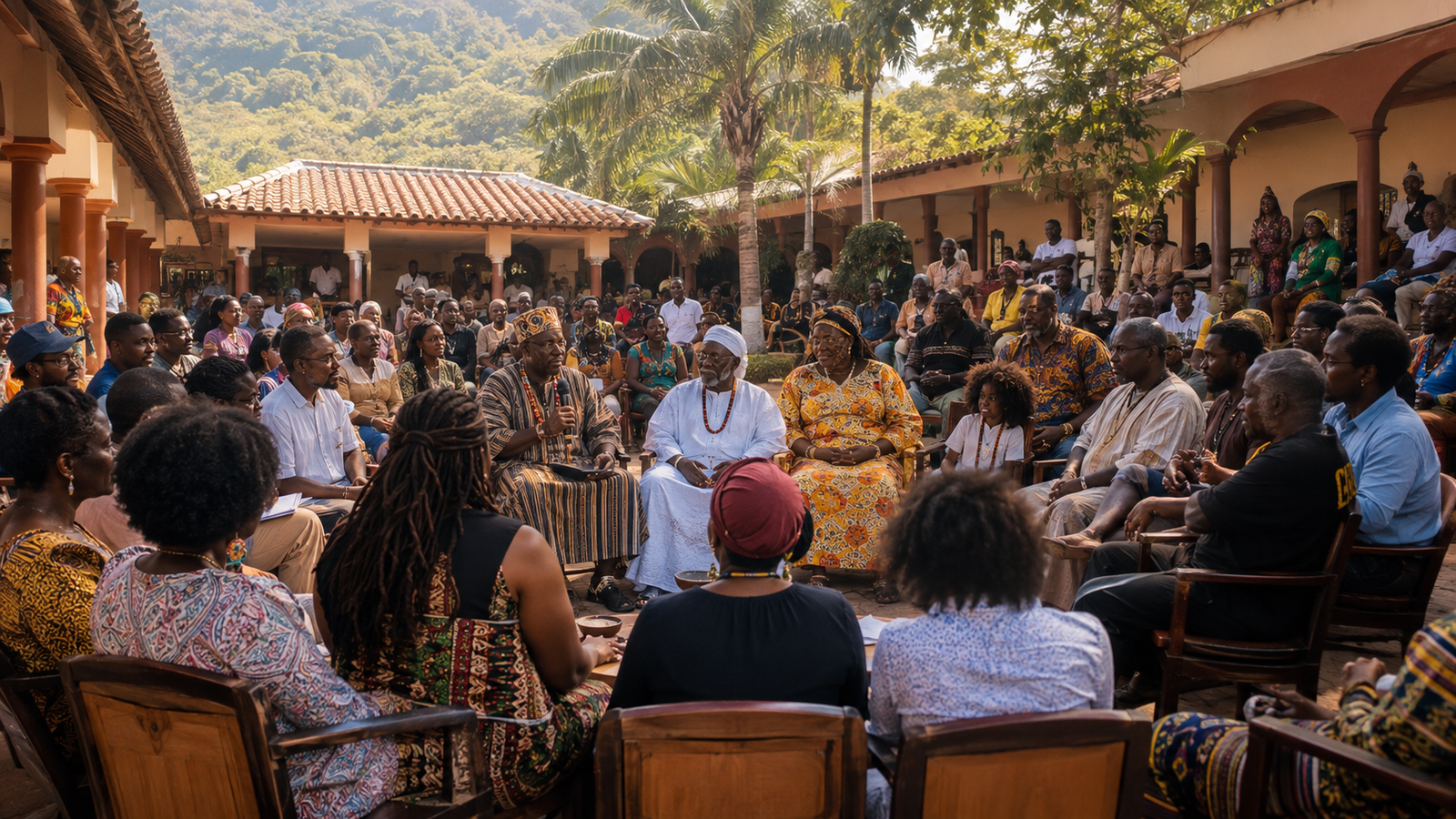
    Good event communication does more than announce a date. It helps each reader recognize a role. A student should see a pathway. An entrepreneur should see an exchange. A repatriate should see responsibility. An institution should see a possible partnership.

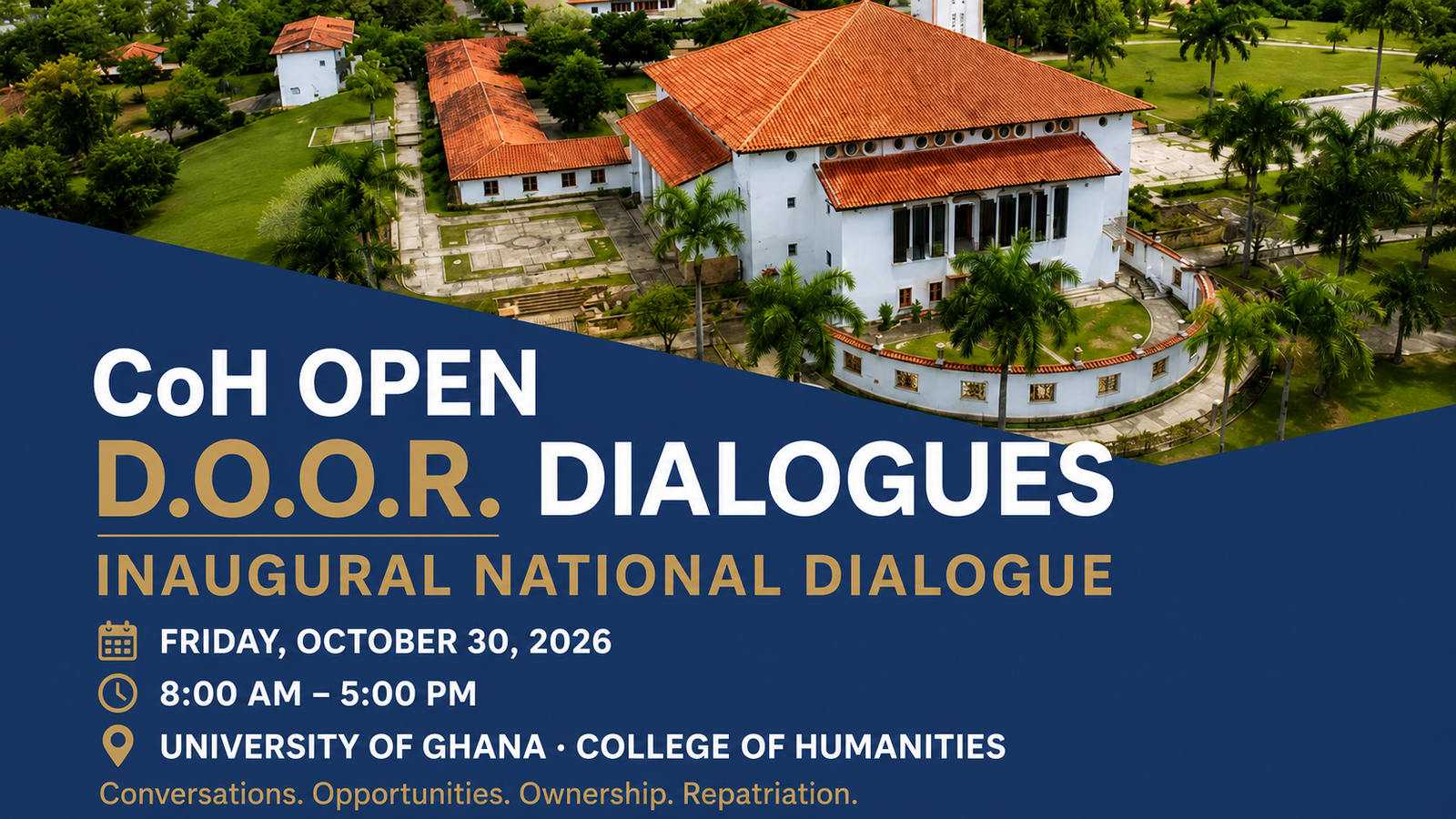
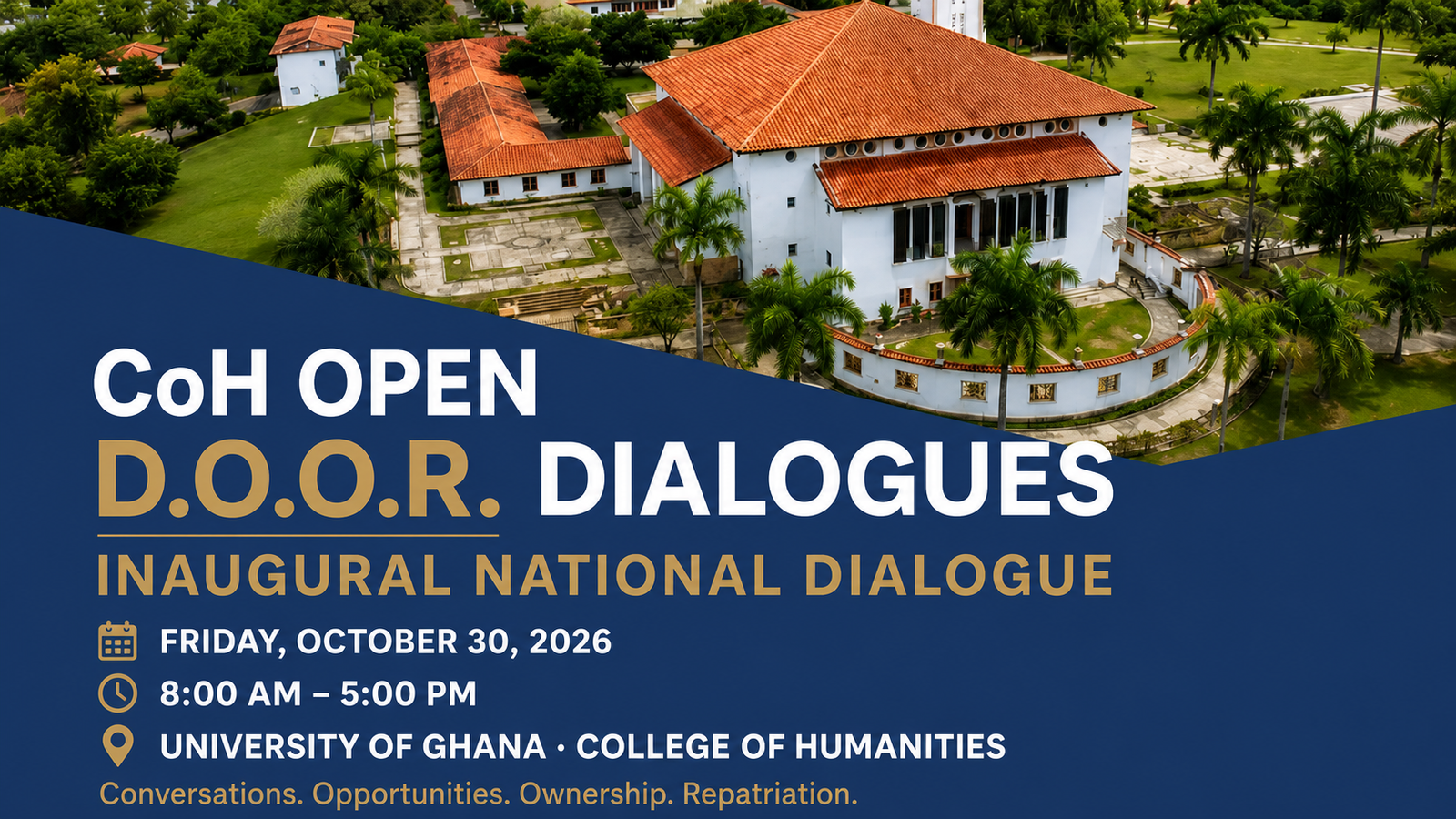
    The Open D.O.O.R. Dialogues Inaugural National Dialogue takes place on Friday, October 30, 2026, from 8:00 a.m. to 5:00 p.m. at the University of Ghana College of Humanities. Its program creates multiple points of entry through keynotes, repatriate perspectives, recruitment, entrepreneurship and innovation, exhibitions, networking, and media engagement.

    That is the design challenge for everyone promoting the gathering now: do not merely say “attend.” Name who belongs, why their contribution matters, and what they can do next. Share the invitation with context tailored to the person receiving it.

    Open the official page and register. Then design one thoughtful invitation for someone whose work should be represented.

  • Design the Festival for Children, Elders, Makers, and Memory

    Design the Festival for Children, Elders, Makers, and Memory

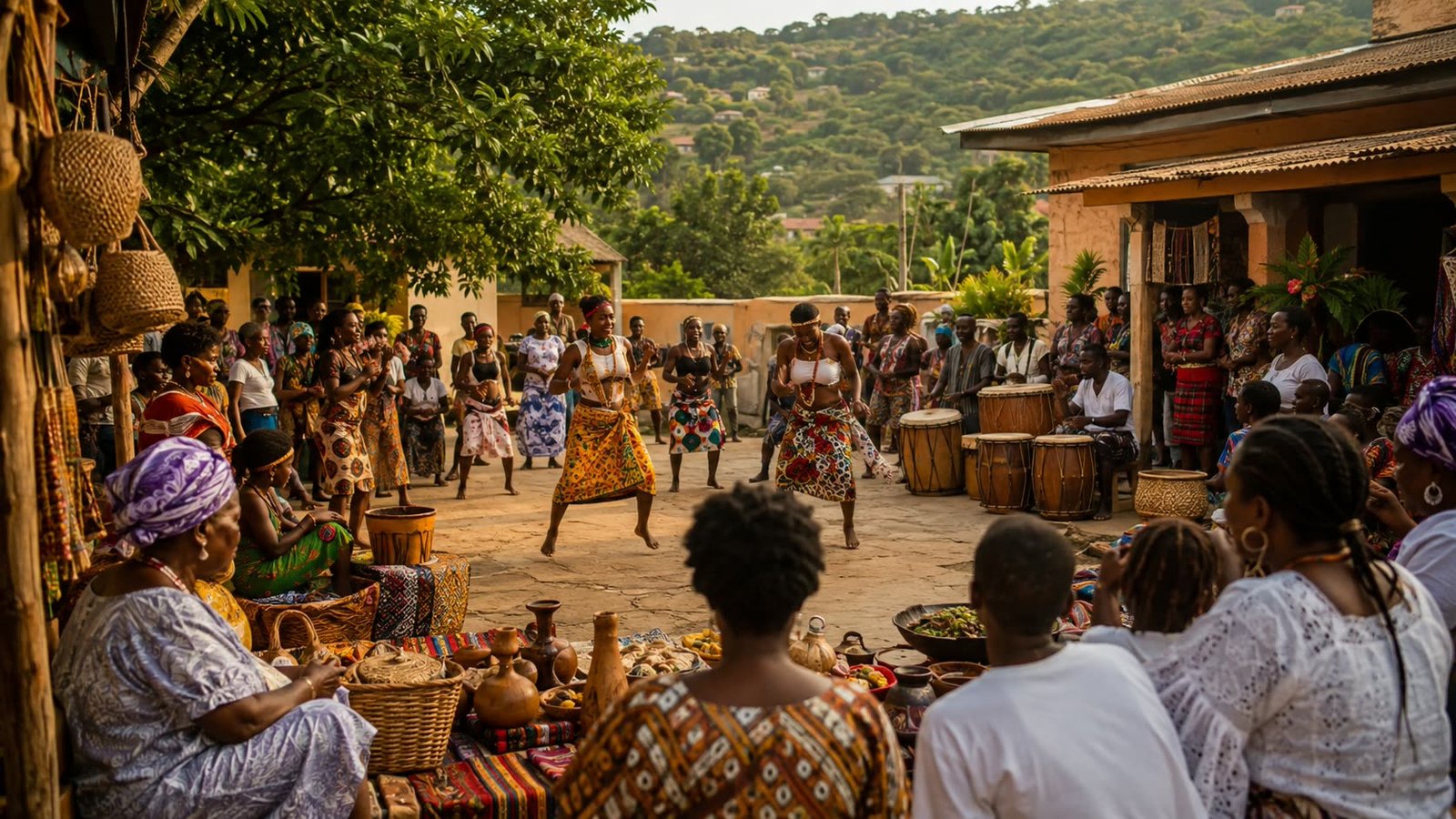
    A liberation festival must be legible to more than a single audience. Children need room to participate safely. Elders need comfort and respect. Performers need functional staging. Vendors need circulation and visibility. Families need clear routes through the day. Everyone needs a story that connects the pieces.

    The Abibifahodie Festival 2026 gathers on December 12–13 with the Abibitumi Conference at Abibitumi Headquarters in Akuapem Mampong. Its theme, Construction of Black Civilization, should be visible not only in words but in how the experience works.

    Good festival design turns cultural expression into memory and memory into future participation. Wayfinding, seating, marketplace layout, documentation, children’s experiences, and post-event follow-up all determine whether the gathering can serve a multigenerational Black community.

    Review the official page and plan for December 12–13. The design question is simple: what will every participant be able to carry forward?

  • Designing a Conference for What Participants Carry Home

    Designing a Conference for What Participants Carry Home

    Event design is often judged by what happens in the room: the stage, the schedule, the signs, the sound. A more useful measure begins after people leave. What can participants remember, repeat, teach, adapt, fund, or build because the gathering made the path clear?

    The Abibitumi Conference + Abibifahodie Festival 2026 convenes on December 12–13 at Abibitumi Headquarters in Akuapem Mampong under the theme Construction of Black Civilization.

    The proposal phase is complete, so audience preparation now matters. Participants can arrive with a clear problem they are working on, document useful models, exchange contact information with purpose, and commit to one concrete follow-through. That is how conference experience becomes institutional memory rather than a temporary burst of inspiration.

    Use the official conference page to prepare for December 12–13. Design your own participation around what you intend to carry home and put into practice.

  • When the Call for Films Closes, Audience Design Begins

    When the Call for Films Closes, Audience Design Begins

    A submission portal organizes filmmakers. A festival must also organize attention. Now that entries for AAFF 2026 are closed, the design challenge shifts toward helping audiences understand when to arrive, how to participate, what they are watching, and where discussion continues.

    The festival’s official dates are October 16–18, with online screenings and an in-person Gala and Awards gathering in Accra. The theme, Kemet for the Kemetyu: At Home and Abroad, needs a visual and editorial system capable of connecting those settings without losing clarity.

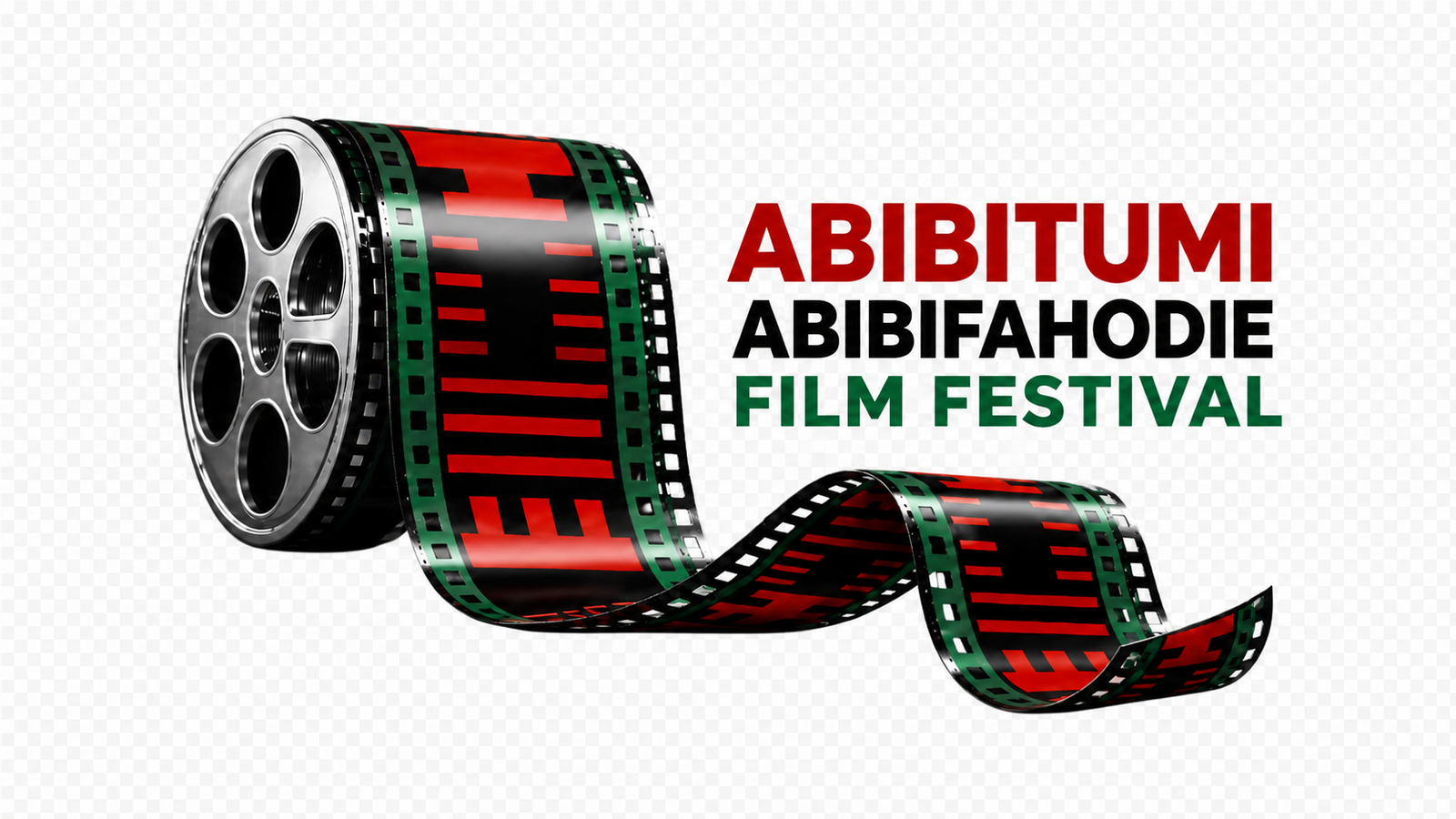
    The official AAFF reel-and-patterned-filmstrip mark carries that system in red, black, and green. Preserving it consistently across program pages, articles, social graphics, and the streaming environment helps audiences recognize that each touchpoint belongs to the same Black-controlled institution.

    Follow the official AAFF site as the audience experience takes shape. The best hybrid design makes every route into the festival clear while keeping one cultural purpose at the center.